1
/
of
12
My Store
Sassafras Tree (Sassafras Albidium) - 3 Gallon Pot
Sassafras Tree (Sassafras Albidium) - 3 Gallon Pot
Regular price
$59.48 USD
Regular price
$76.00 USD
Sale price
$59.48 USD
Shipping calculated at checkout.
Quantity
Couldn't load pickup availability
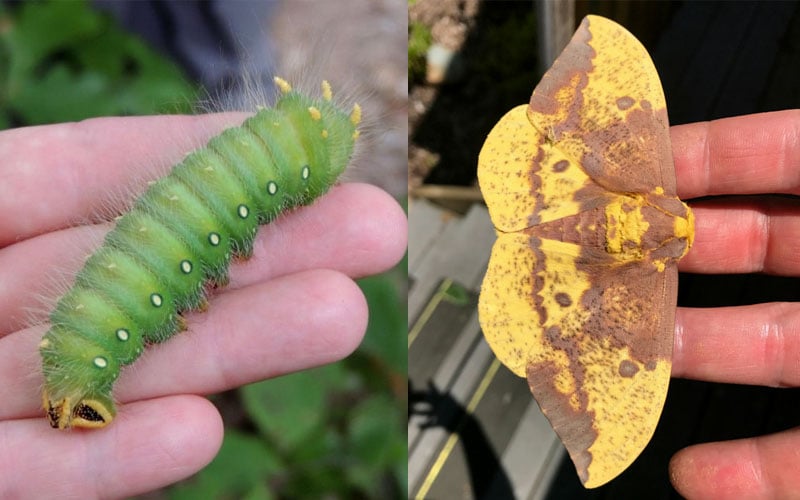
Sassafras Tree Sassafras albidium Plant Details USDA Plant Hardiness Zones: 4a-9b Find Your Zone Plant Type: Deciduous Tree Height at Maturity: 30-60' depending on location Width at Maturity: 25-40' depending on location Spacing: 45 feet for space between trees Growth Habit / Form: Upright Pyramidal when young, Open Rounded with Age Growth Rate: Moderate Flower Color: Golden Chartreuse, Showy Flower Size: 2" clusters Flowering Period: Spring Flower Type: Clusters Fragrant Flowers: Yes! Foliage Color: Medium Green, Yellow in fall Fragrant Foliage: Yes! Berries: Yes Berry Color: Blackish-Blue held in Red cup-shaped stems Sun Needs: Full Sun or Part Shade Water Needs: Average, drought tolerant when established Soil Type: Clay, Loam, Sandy(amended), Silty Soil Moisture / Drainage: Moist But Well-Drained, drought tolerant when established Soil pH: 5.0 - 7.5 Maintenance / Care: Low to none Attracts: Visual Attention, Beneficial Pollinators, Birds, Mammals Resistances: Deer, Disease, Drought, Heat, Insect, Salty Soil Description There are so many fine attributes for the Sassafras tree that it's difficult to know where to start. Very handsome, colorful, and exceptionally easy to grow, the Sassafras is a North American native tree that is sure to please. For starters, every part of this tree is fragrant, even the roots, which at one time were used to flavor root beer. In spring, abundant clusters of fragrant yellow-chartreuse flowers are followed by the emergence of highly attractive 4 to 7 inch long that come in three shapes: ovate, mitten-shaped and three-lobed. In summer, abundant clusters of attractive blue-black berries held in bright red cup-shaped receptacles adorn the tree, Fall brings yet another color show when the leaves turn shades of yellow, orange, red and purple. Matures to a dense, pyramidal tree up to 60' tall but is usually seen at about half that size in landscapes. The mahogany-brown bark is deeply ridged and furrowed providing winter interest in the landscape. Sassafras is the American Indian name used by the Spanish and French settlers in Florida in the middle of the 16th century and its oils were freely used in tonics as medical tonics. It was traditionally used, along with other substances like licorice root, mint, nutmeg, and more, to flavor root beer. Culinary uses have included sassafras tea, root beer flavoring and a gumbo-thickening agent called filé. Wildlife Value Bluebirds, red-eyed vireos, quail, wild turkeys, kingbirds, crested flycatchers, mockingbirds, sapsuckers, pileated woodpeckers, yellowthroat warblers and phoebes feed on the berries in summer. Sassafras is a host to the Imperial Moth larvae which have one brood per season and appear from April to October in the south. This plant also supports Spicebush Swallowtail larvae which have 2 generations per year from April to October. The Spicebush, another great North American native plant! Host to the Imperial Moth Landscape & Garden Uses Growing 30 to 60 feet tall and 25 to 40 feet wide with an upright pyramid form when young that transitions to an upright rounded vase shape with age, the Sassafras Tree is ideal for use as a specimen or in grouping in landscape and woodland borders. A fine addition to bird and wildlife gardens, native plant gardens, edible gardens and cottage gardens. Suggested Spacing: 45 feet for space between trees Growing Preferences The Sassafras Tree grows best in most any moist but well-drained soil of average fertility and full to mostly sun. Established trees are very drought tolerant. Light shade is tolerated. Note: Find helpful advice from our experts under the Planting & Care tab above on desktop screens and below on mobile phones. Plant Long & Prosper! Meet The Wilson Brothers & Staff Questions? Contact Us
View full details