1
/
of
9
My Store
Paw Paw Tree - Asimina Triloba - 5 Gallon Pot
Paw Paw Tree - Asimina Triloba - 5 Gallon Pot
Regular price
$83.98 USD
Regular price
$107.00 USD
Sale price
$83.98 USD
Shipping calculated at checkout.
Quantity
Couldn't load pickup availability
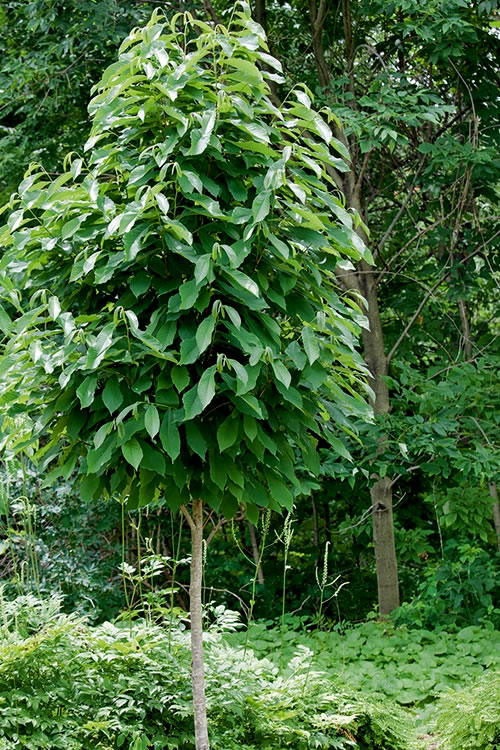
Paw Paw Tree Asimina triloba NOTE: As with all of our other plants and trees, all of our fruit plants are grown in containers outdoors so they are fully rooted and landscape-ready upon arrival. Plant Details USDA Plant Hardiness Zones: 5a-8b (9?) Find Your Zone Plant Type: Native Fruit Tree Height at Maturity: 15-30' Width at Maturity: 15'-30' Spacing: 15' for hedge or screen; 35'+ for space between trees Growth Habit / Form: Broad, Rounded, Umbrella Growth Rate: Moderate Flower Color: Deep Purple Foliage Color: Green, Yellow in Fall Fruit Color: GreenFruit Size: 4 to 6"Fruit Taste: Sweet & Creamy! Ripening Period: Mid Summer to Early Fall depending on location Pollination: Click here for more information about pollination of paw paw trees Sun Needs: Full Sun to Part Shade Water Needs: Average Soil Type: Clay, Loam, Silt, Sand Soil Moisture / Drainage: Well Drained Moist Soil pH: 5.5 - 7.0 (Moderately Acid to Neutral Maintenance / Care: Low Description One of America's best kept secrets, the Pawpaw Tree, sometimes spelled paw-paw or paw paw, produces some of the most delectably delicious fruit in the world with sweet, creamy, pudding-like flesh that tastes like a blend of banana, melon, pineapple and vanilla. But you won't find this one at the grocery store, which means you have to grow your own. But that's all good because this North American native tree is very easy to grow! The tasty fruits aren't the only wonderful characteristic... The lush foliage of the Paw Paw tree would make one think its native origins should be closer to the equator rather than in USDA Zones 5a to 8b, where it survives winter temperatures as low as -20 degrees F. Large, elongated deep green leaves bring a feel of the tropics to your landscape while also providing bountiful fall color when they turn to a bright shade of golden-yellow that rival the Ginkgo. What's more...interesting, six-petaled, deep burgundy-purple flowers are borne singly in leaf axils before the leaves emerge, which can be March to May depending on climate and location. Paw Paw trees grown from seed can take 5 to 6 years to start producing fruit. Our 5 gallon trees are 3 to 4 years old which means they should start producing fruit within 1 to 2 years after planting. Harvesting Paw Paw Fruits You’ll know the Paw Paw fruits are ripe when they are close to falling off the tree. The flesh will be soft with a slight give, like many stone fruits or tropical fruits. The fruits have a short shelf life, which means you should pick and eat them when you can get them, though refrigeration does make them last a little longer. Eat them out of your hand, or puree them and add them to a smoothie, ice cream, or pie. Pollination of Paw Paw Trees The paw paw tree has a very interesting pollination story and getting that luscious fruit is not without its challenges. Click here for more information about pollination of paw paw trees NOTE: As with all of our other plants and trees, all of our fruit plants are grown in containers outdoors so they are fully rooted and landscape-ready upon arrival. Landscape & Garden Uses Growing 15 t0 30 feet tall and equally as wide, the Paw Paw tree is ideal for use as a specimen, in groupings or straight or staggered rows as a warm-season screen in larger landscapes. Paw Paw trees can be grown in containers, just keep in mind they have an extensive root system so eventually will require a quite large container. A fine addition to the tropical-look garden, edible landscape, native plant gardens, and cottage gardens. Suggested Spacing: 15 feet apart for hedge or privacy screen; 35 feet or more apart for space between trees Growing Preferences Paw Paw trees grow well in most soil types except for those that are constantly soggy or very infertile, and full sun to part shade. We suggest at least 5 hours of direct sunlight per day. They grow and produce the best fruit in a moist but well-drained soil that is rich in organic matter. In soil with low fertility it'll be worth your time to mix in some organic compost to the native soil. They like the soil to hold a good supply of water, especially when the fruits are developing in summer, but not so much water that the soil stays constantly soggy or wet, which can be problematic. Note: Find helpful advice from our experts under the Planting & Care tab above on desktop monitors or below on mobile devices. Plant Long & Prosper! Meet The Wilson Brothers & Staff Questions? Contact Us!
View full details