1
/
of
8
My Store
American Sweet Crabapple Tree (Malus Coronaria) - 1 Gallon Pot
American Sweet Crabapple Tree (Malus Coronaria) - 1 Gallon Pot
Regular price
$27.98 USD
Regular price
$31.00 USD
Sale price
$27.98 USD
Shipping calculated at checkout.
Quantity
Couldn't load pickup availability
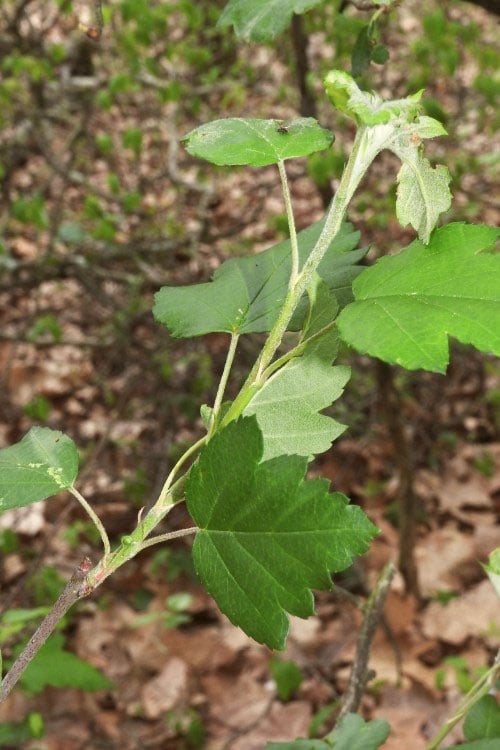
Sweet Crabapple Malus coronaria Other Names: American Crabapple, Garland Crab, Sweet Crabapple, Wild Crabapple NOTE: As with all of our other plants and trees, all of our fruit plants are grown in containers outdoors so they are fully rooted and landscape-ready upon arrival. Plant Details USDA Plant Hardiness Zones: 4a-8b Find Your Zone Plant Type: Deciduous Fruit Tree Height at Maturity: 15-25' depending on location Width at Maturity: 25-35' depending on location Spacing: 35' feet for space between trees Growth Habit / Form: Upright, Broad, Open Crown Growth Rate: Moderate to Fast Flower Color: Pink aging to White Flower Size: 1 to 1-3/4", in clusters Flowering Period: Spring Flower Type: Single, in clusters Fragrant Flowers: Yes Foliage Color: Bright Green, Golden-Yellow in Fall Fragrant Foliage: No Fruit: Yes Fruit Color: Chartreuse to maturing to Yellow and Red Sun Needs: Full to Mostly Sun or Part shade Water Needs: Average, drought tolerant when established Soil Type: Clay, Loam, Sandy, Silty Soil Moisture / Drainage: Moist But Well-Drained Soil pH: 5.0 - 7.5 (Acid to Neutral); prefers slightly acid Maintenance / Care: Low Attracts: Butterflies, Beneficial Pollinators, Birds, Mammals Resistances: Drought (when established), Cold Temperatures to -30F Description Sweet Crabapple (Malus coronaria), also known as Wild Crabapple or American Crabapple, is a North American native tree adored for its highly fragrant pink flowers in spring that are the last among the Crabapples to bloom. The "Sweet" in the common name is for the fragrance of the flowers and fruit and not the taste, which is too tart for most folks to eat fresh from the tree. That said, due to their high pectin and acid content, the ripe yellow to red fruits are excellent for making sweet jelly or jam. If you don't use the small crabapples just leave them on the tree for the birds, deer and other mammals to enjoy. The leaves of this species are a bright green through the warm season turning to golden-yellow shades with the arrival of cooler temperatures in fall. All grown up, under ideal conditions the tree might reach 25 feet tall by 35 feet wide. Wildlife ValueHoney bees and other native bees enjoy the nectar from flowers. The fruits are a desirable food source for birds as well as raccoons, rabbits, opossum, squirrel, and foxes. Branches provide cover and nesting sites for birds and small mammals. NOTE: As with all of our other plants and trees, all of our fruit plants are grown in containers outdoors so they are fully rooted and landscape-ready upon arrival. Landscape & Garden Uses Growing 15 to 25 feet tall and 25 to 35 feet wide, the Sweet Crabapple is ideal for use as a specimen or in grouping in sunny to partially shaded landscape and woodland borders. Also a fine addition to bird and wildlife gardens, native plant gardens, edible landscapes and cottage gardens. Suggested Spacing: 35 feet for space between trees Growing Preferences The Sweet Crabapple is easy to grow in most any moist but well-drained soil of average fertility and full to part shade. Morning sun is good to dry the dew from leaves. Established trees are moderately drought tolerant. Note: Find helpful advice from our experts under the Planting & Care tab above on desktop screens and below on mobile phones. Plant Long & Prosper! Meet The Wilson Brothers & Staff Questions? Contact Us
View full details